

From Solitary Rays to Networked Illuminations
In earlier modules, Affinity Time unfolded as a multidimensional framework grounded in artifact affinities, folds, and perceptual tomography. Temporal compression and expansion were modeled as emergent effects of affinity strength, memory intensity, and constellational linkage.
Module III marks a decisive turn: from the artifact-centric to the observer-centric. If earlier layers explored the material residues of history, here the focus is the perceiver; how one individual, many individuals, and the network as a whole refract and shape temporal experience. This shift reveals Affinity Time as not just an archaeological or phenomenological tool, but as a philosophy of perception in multiplicity.
Section 1: The Individual Observer – Solitary Rays and Subjective Folds
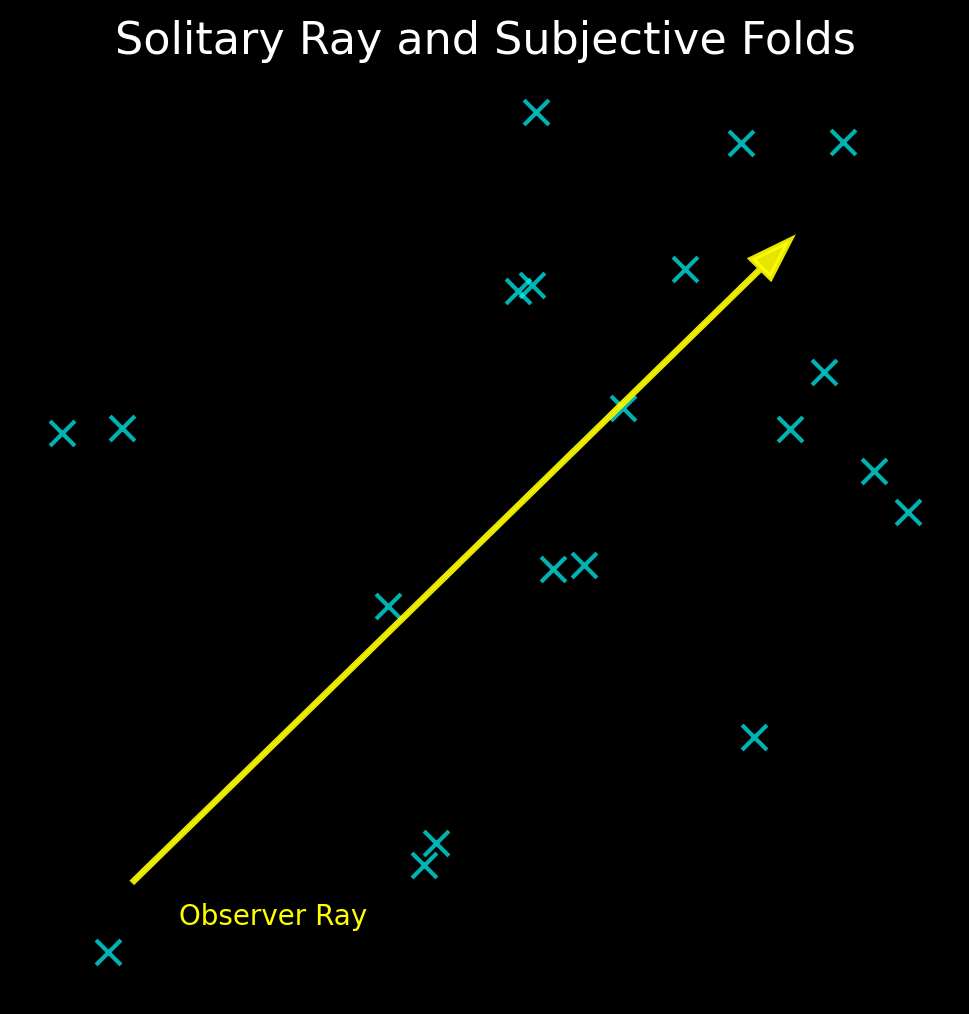
The lone observer projects priors, memories, and embodied presence into temporal space. Each perception is a “ray” cast from the observer’s barycenter into the tomographic field of affinities. Rays illuminate, but they also distort, creating subjective folds in time. Outsider rays (prophet, innovator, liar, dissenter) warp consensus fields, fracturing shared temporal maps and opening unforeseen truths.
Section 2: The Individual-in-Network – Illuminated Fields of Collective Perception
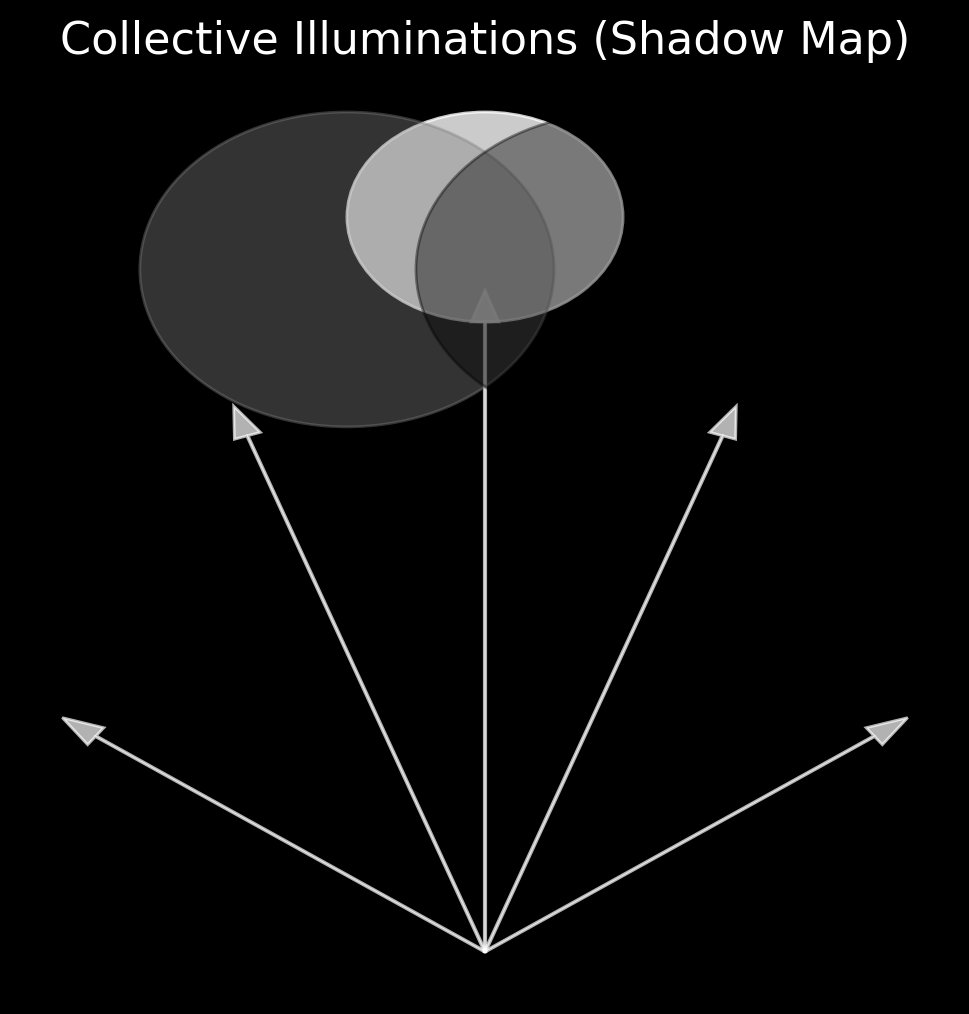
Individuals rarely perceive in isolation. Their rays intersect, overlap, and collide within a collective field. Each perspective checks or amplifies others, producing gray zones of negotiated time. Communal illusions arise, and consensus realities are constructed through overlapping illuminations.
Section 3: The Network Itself – Emergent Consciousness of Affinities
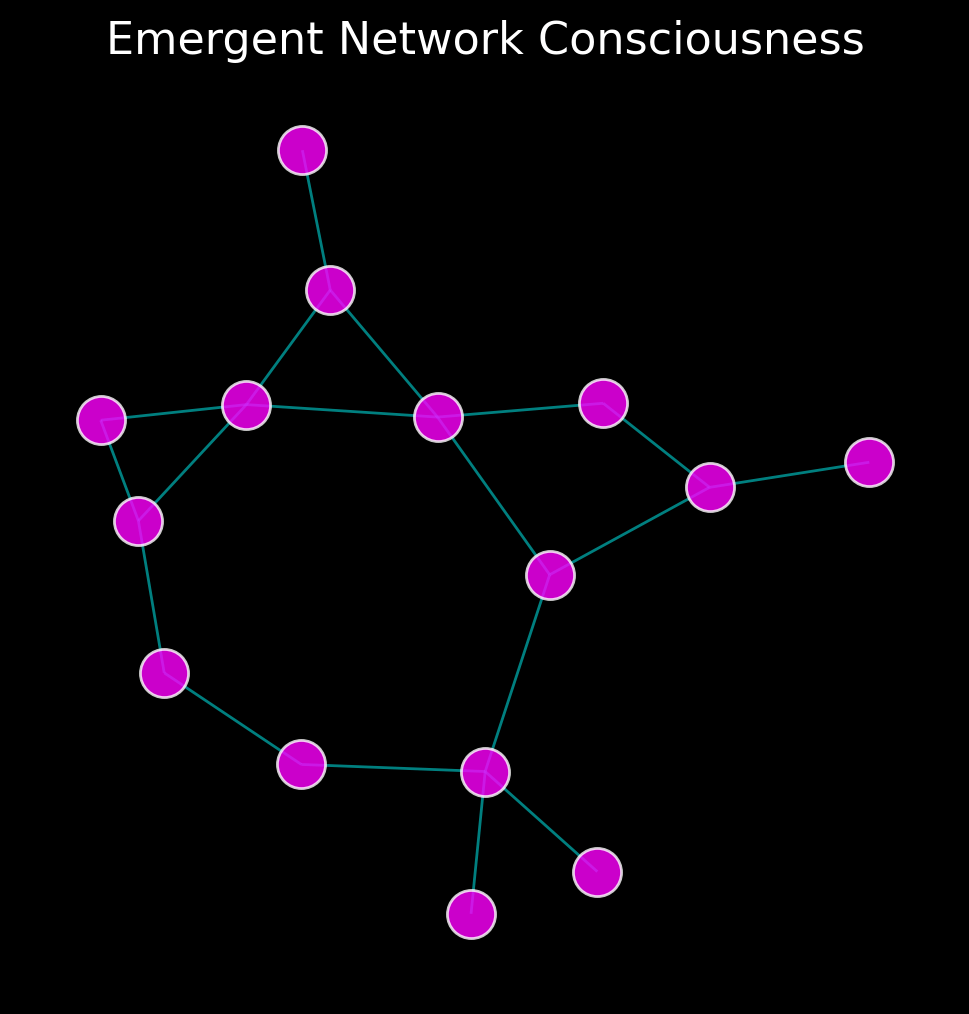
As rays accumulate, the network itself develops properties irreducible to its parts. Affinities begin to “think,” producing patterns of interpretation not directly intended by any observer. Just as cultures possess traditions that outlast individuals, networks generate emergent temporalities that structure how future observers will interpret the past. The network can thus be treated as an observer in its own right.
Conclusion: Module III as the Pivot
Module III anchors Affinity Time by demonstrating how perception itself is stratified: from the solitary ray, to the chorus of overlapping illuminations, to the emergent consciousness of networks. In this multidimensional layering, temporality ceases to be a passive backdrop and becomes an active construction, co-produced across scales.
This pivot prepares the way for Module IV, where Affinity Time extends beyond human perception into speculative physics and artificial intelligence, fields where even nonhuman observers may project rays of affinity into the unfolding continuum of time.
 The Rosita Museum